
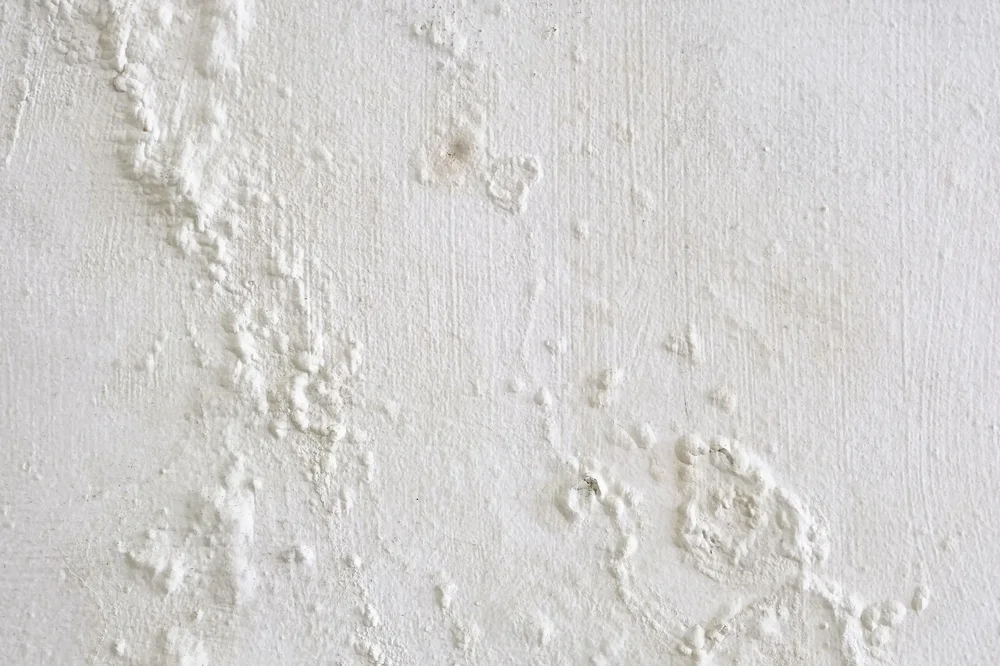
Seepage is the single most destructive force in Indian apartments. It destroys expensive woodwork, ruins premium wall paint, and creates a breeding ground for mold and fungi that can lead to chronic respiratory issues. In cities like Kolkata and Patna, where the monsoon is heavy and humidity is high, seepage detection is the most critical part of a home inspection.
The 'New Home' Deception
When you walk into a brand-new flat, everything looks pristine. The walls are freshly painted, and the bathrooms sparkle. However, builders often use 'touch-up' paint to hide damp patches just days before a client's visit. This cosmetic fix lasts only a few weeks until the moisture pushes through again. Detecting hidden seepage requires more than just a visual check.
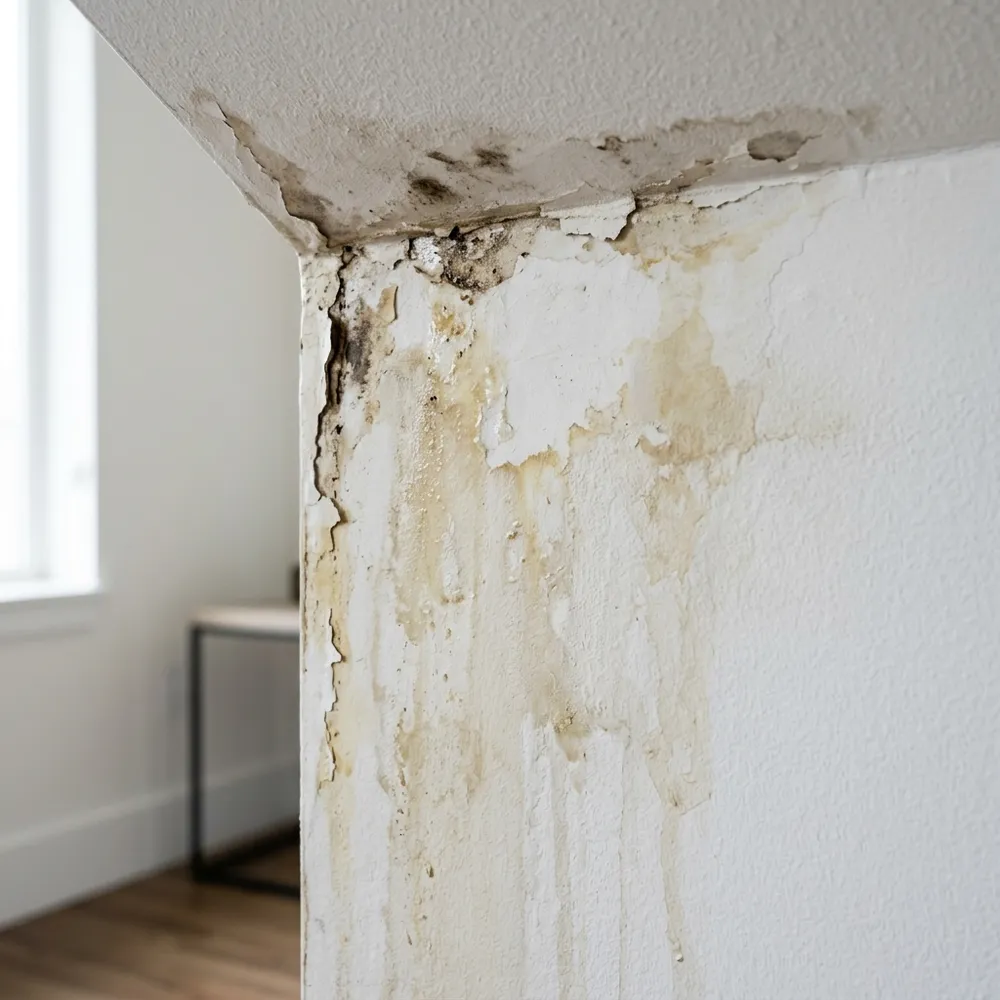
1. Moisture Metering: The Scientific Approach
At GharCheck, we use professional moisture meters to measure the electrical resistance of the wall material. A dry wall will show a reading below 15%, while a wall with hidden seepage will often spike to 40% or more, even if it feels dry to the touch. We pay special attention to the 'wet wall'—the common wall between your bathroom and bedroom.
2. Identifying the Source
Finding seepage is one thing; finding the source is another. Seepage can be 'Positive' (water entering from the outside, like a leaky pipe or roof) or 'Negative' (groundwater rising through capillary action). In high-rise buildings in Kolkata, we often find that the source is a crack in the external plaster or a poorly sealed AC copper pipe entry point.
Don't Risk Your Life Savings
A small defect today can become a massive repair cost tomorrow. Join 500+ homeowners in Patna, Ranchi, and Kolkata who trusted GharCheck for their peace of mind.